Championing Dignity and Inclusion
Empowering Persons with Disabilities in Ghana
In Ghana, an estimated 5–8% of the population lives with a disability—millions of children, women, and men whose potential is limited not by their abilities, but by barriers, stigma, and lack of access.
We work to remove these barriers and create a Ghana where everyone belongs, participates, and thrives.
The Reality on the Ground
Challenges Faced by Persons with Disabilities
Despite the Ghana Persons with Disability Act (2006, Act 715), many people with disabilities continue to face daily exclusion.
Education
Many children with disabilities are out of school due to inaccessible classrooms, limited learning resources, and social stigma—denying them opportunities from an early age.
Economic Participation
Unemployment rates remain extremely high. Discrimination, lack of skills training, and inaccessible transport keep many families trapped in poverty.
Social Stigma
Deep-rooted misconceptions and cultural beliefs often lead to isolation, neglect, and exclusion—especially for women and girls with disabilities.
Accessibility Barriers
Public spaces, transport systems, healthcare facilities, and markets are often inaccessible, turning simple daily activities into major challenges.
Strength, Resilience, and Untapped Potential
Persons with disabilities in Ghana are entrepreneurs, students, artists, parents, and leaders.
They are not defined by limitation but by resilience, creativity, and determination—when given the opportunity.
Our mission is to ensure these opportunities exist.
Our Approach: From Charity to Empowerment
We move beyond short-term charity. Our work is rooted in a rights-based, dignity-centered approach built on three pillars:
1. Advocacy & Awareness
We challenge harmful stereotypes through community dialogues, media campaigns, and partnerships with traditional and religious leaders—promoting disability as part of human diversity.
2. Inclusive Livelihoods
We create pathways to economic independence through vocational skills training, start-up support for small businesses, and advocacy for inclusive hiring practices.
3. Access to Essential Services
We support inclusive education, improve access to healthcare and rehabilitation services, provide assistive devices, and campaign for accessible public infrastructure.
Community-Led Change
Working With the Disability Community
We partner with Organizations of Persons with Disabilities (OPDs) and community groups led by persons with disabilities themselves.
This ensures that:
Solutions are relevant
Dignity is respected
Impact is sustainable
We do not speak for the community—we amplify their voices.
How You Can Make an Impact
Your support helps transform lives and communities.
You can:
Sponsor inclusive education for a child with disabilities
Fund a livelihood grant for economic independence
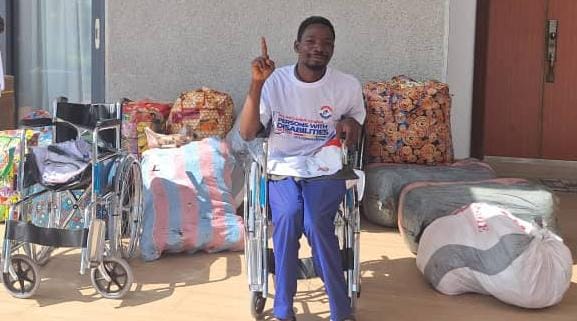
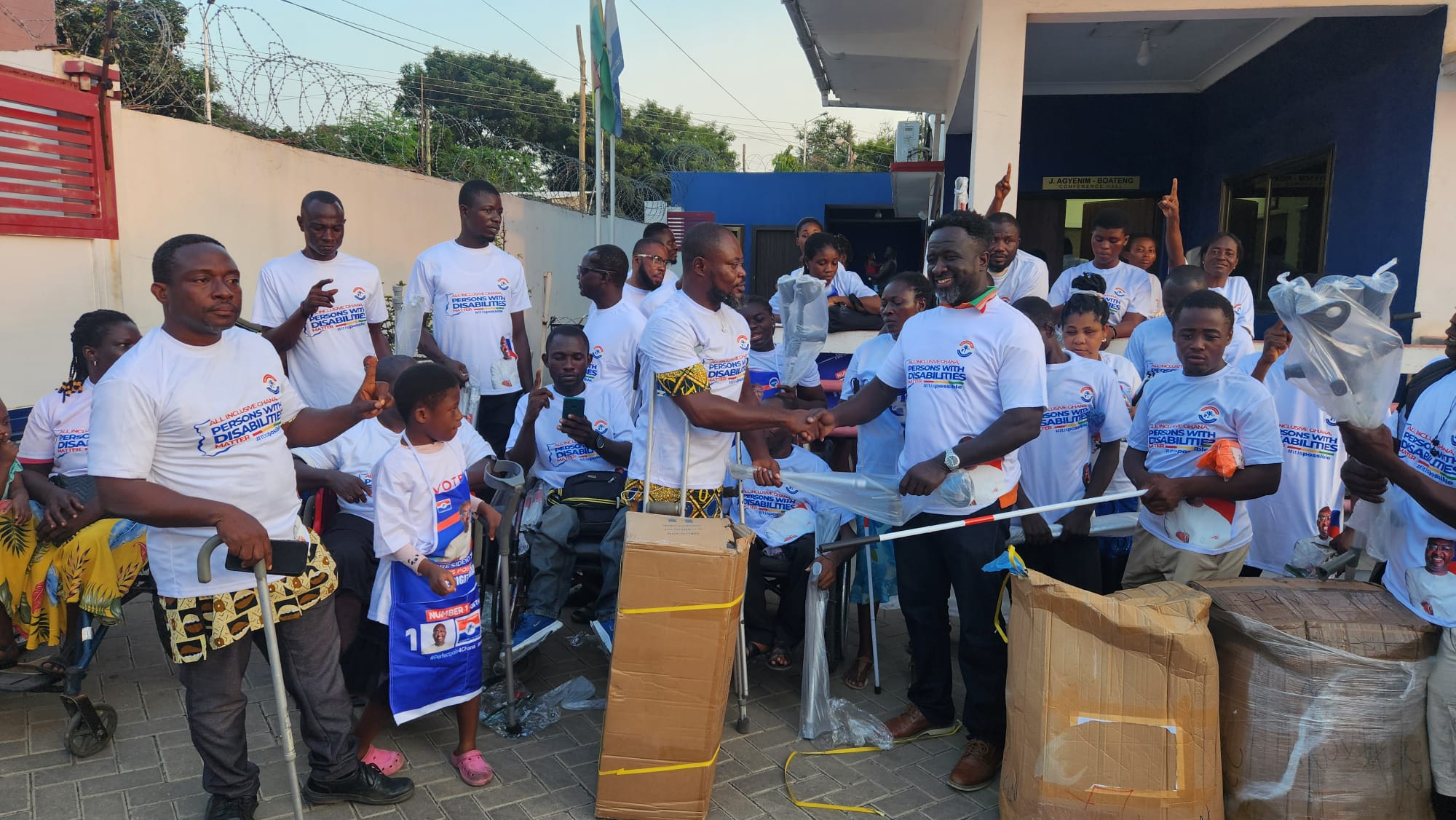
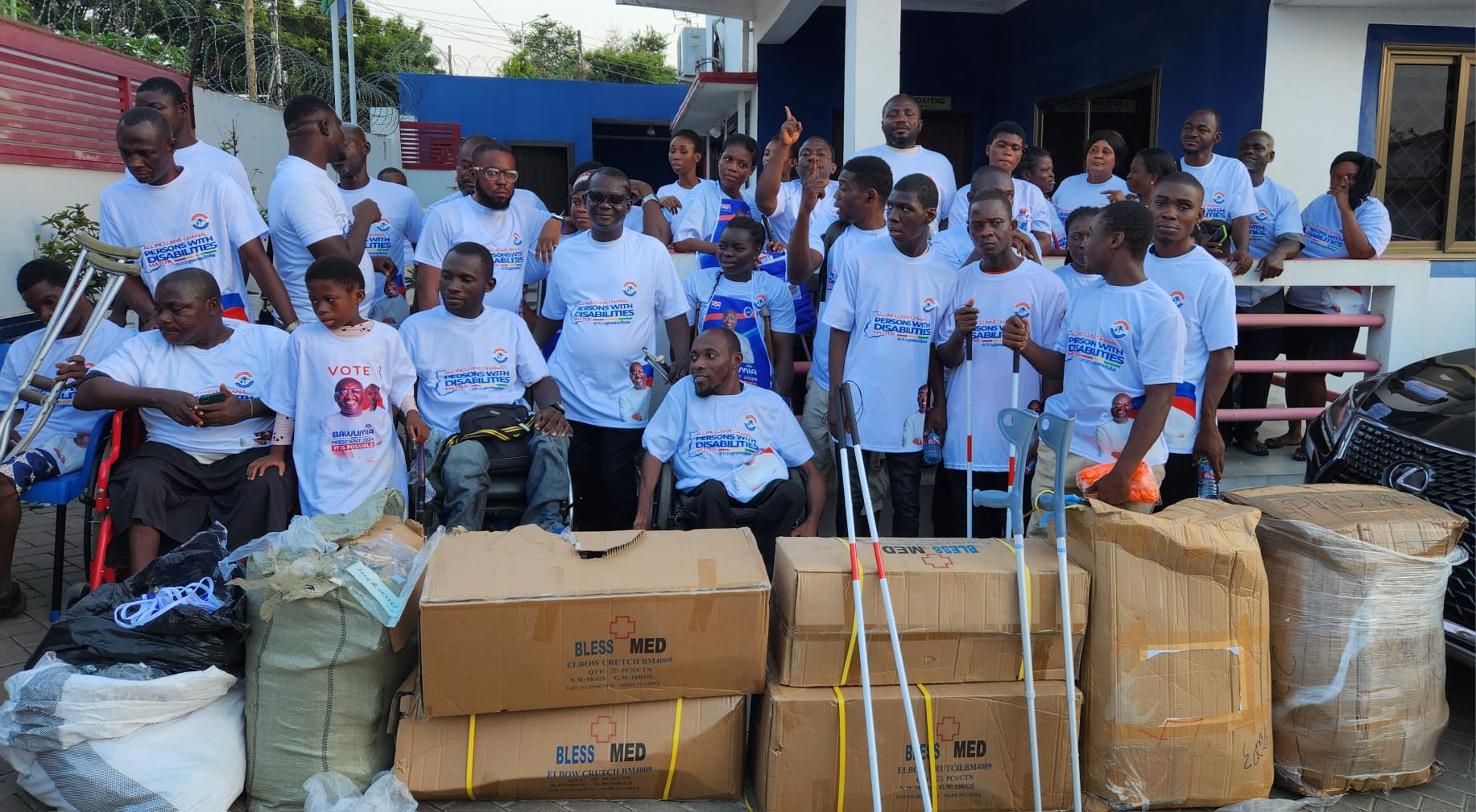
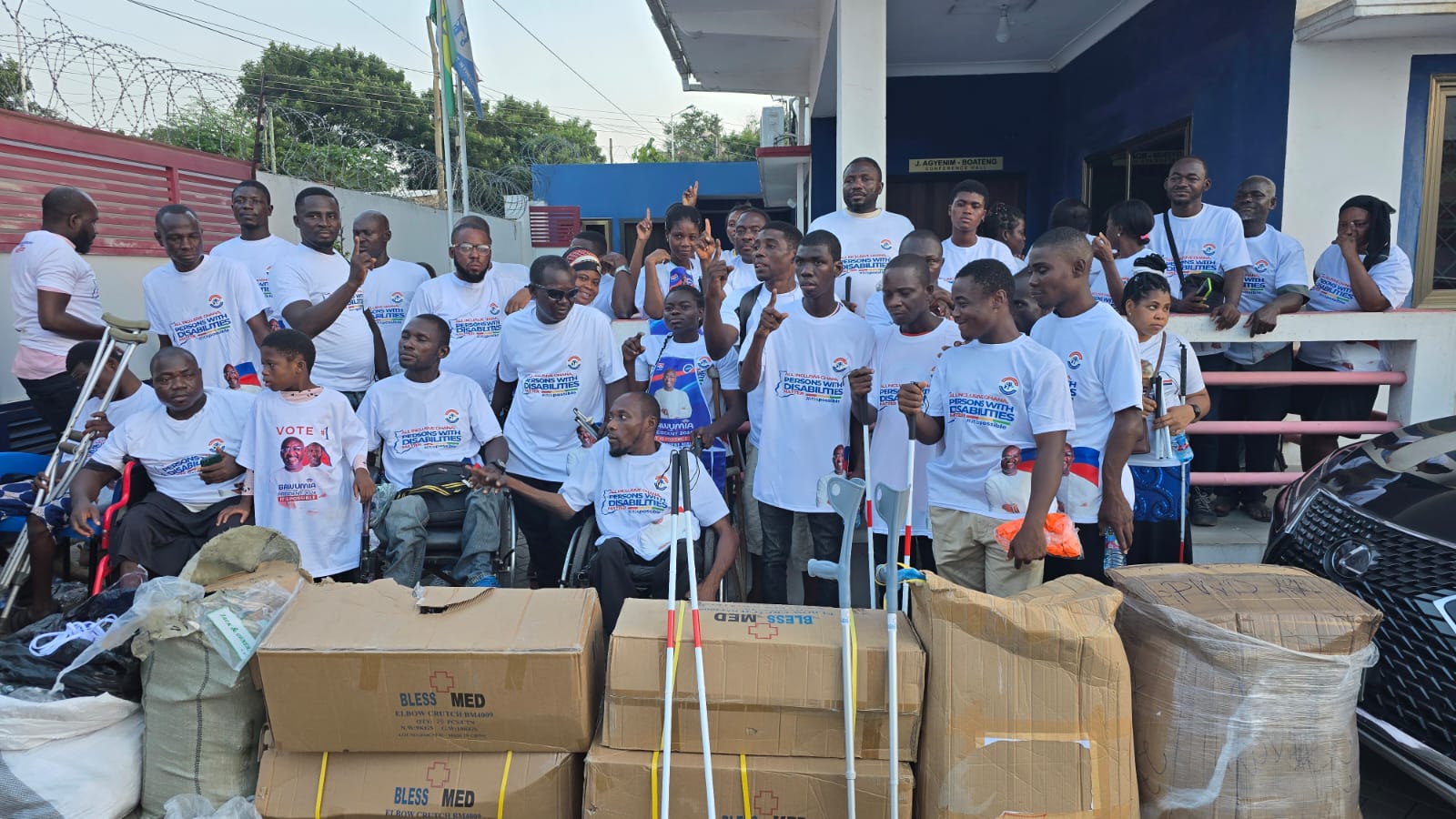
Provide assistive devices such as wheelchairs, hearing aids, or white canes
Support advocacy efforts that turn laws into lived realities
Together, We Can Build an Inclusive Ghana
We believe in a Ghana where:
Barriers are replaced with bridges
Pity is replaced with partnership
Every person is valued, included, and empowered